When we commissioned our feasibility study in 2022, the central India AAC market — defined as Maharashtra (excluding MMR), Madhya Pradesh, Chhattisgarh and the Telangana periphery — was growing at 18% year-on-year. The latest IBEF data has that number at 22% for 2025. Demand is real. Supply is the story.
Who's serving the market today
Roughly 70% of AAC consumed in central India is imported from outside the region. Magicrete and Conecc ship from Gujarat. Biltech ships from Hyderabad. Prime AAC ships from Tamil Nadu. The freight component on a pallet delivered to Nagpur from any of these is ₹450–700, which is 18–25% of landed cost. That cost gets pushed straight onto the developer, then onto the buyer.
Local capacity exists — there are roughly 11 AAC plants between Nagpur and Raipur — but most are sub-50 m³/day units serving very local catchments. None operate at the scale or consistency a Grade-A commercial developer expects.
Where the demand is concentrated
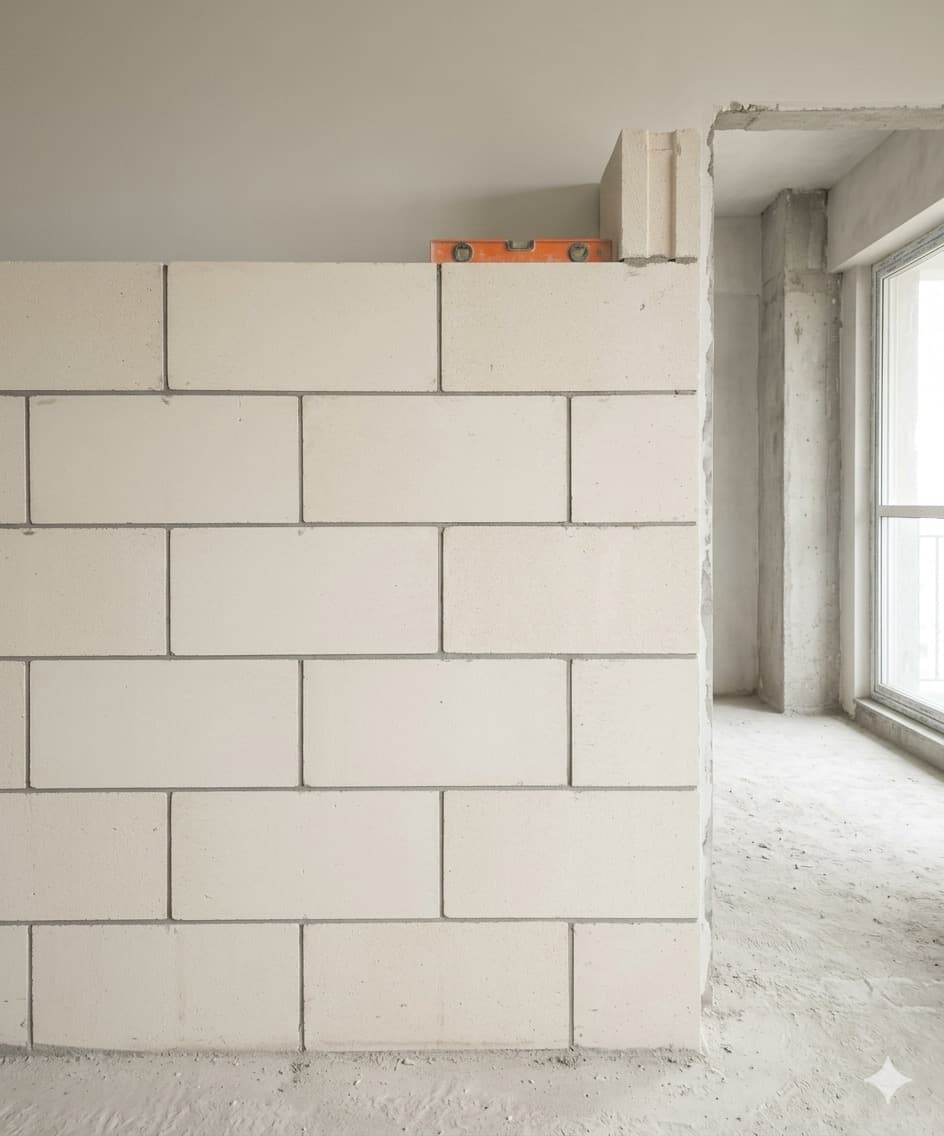
Three buyer segments are driving growth. Residential high-rise in the tier-2 cities (Nagpur, Indore, Bhopal, Raipur) is the biggest — developers are moving to AAC for the same reasons they did in Pune in the late 2010s: faster build, lower steel, lower long-term HVAC. Industrial sheds and warehouses are the second segment, driven by the boom in central India logistics infrastructure. Boutique hospitality and healthcare round out the top three.
The 'missing middle' problem
The interesting gap is mid-rise commercial — 4-to-8-storey office buildings on tier-2 high streets. The market is there, the developers want AAC, but supply contracts are structured around either very large national projects (where the big players compete) or very small village contractors (where the sub-50 m³ units compete). Mid-sized buyers fall through the middle.
That's the market we built VAJRA for. Our minimum order is 200 m³ (about 7 truckloads), which is a single mid-rise office. We deliver in 5–7 days. We bring a technical advisor on site for the first two pours. That bundle didn't exist in central India two years ago.
What this means for builders
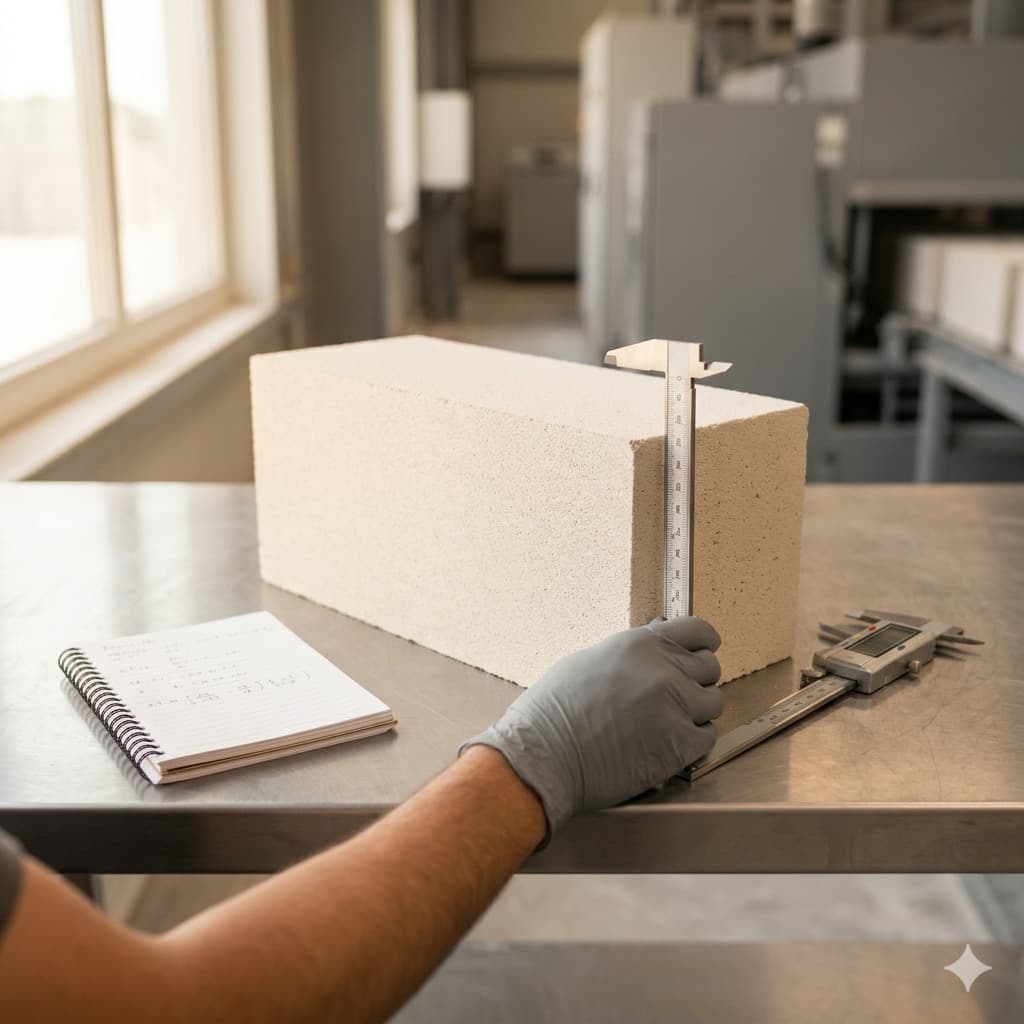
If you're building a mid-sized project in central India in 2026, you have three more good options than you did in 2023. Prices are down 8–11% in real terms versus 2022. Lead times have halved. Quality variability has dropped significantly. The case for switching from brick has never been stronger.
The case for staying with brick is now almost entirely about contractor familiarity, and that's a one-project problem. Once your masons have laid one AAC floor, they will refuse to go back.